
We get it — matcha is having a moment. It's chic, it's green, it's antioxidant-packed, and it makes your morning look like a minimalist mood board. It’s the drink that promises zen focus and a side of moral superiority. But here's the thing Traditional Chinese Medicine (TCM) has been quietly side-eyeing for centuries: all that matcha might not be doing your hormones, digestion, or cycle any favors.
Because while Western wellness calls it "clean caffeine," TCM calls it something else entirely: cold energy. And if you're a woman, that matters. A lot. It’s like that gorgeous, high-maintenance friend who’s amazing for a glamorous night out but drains your bank account and energy by morning. Fun? Yes. Sustainable every single day? Maybe not.
Wait—Cold Energy? Explain.
Yup. In TCM, every food has a temperature property—hot, warm, neutral, cool, or cold—and it’s about how it affects your internal body, not its literal temperature. Matcha, despite being served hot, lands squarely in the "cold and bitter" category energetically. That means it cools your system from the inside out, which sounds dreamy in July, but not so great when it comes to nurturing your womb, your digestion, and your mood.
Think of your body’s spleen yang (aka your digestive fire) as the pilot light of your entire system. It’s what keeps you warm, metabolically strong, and hormonally balanced. It’s the cozy, warm engine room that powers everything. Dumping something icy and astringent (like matcha) into that system every single morning is like throwing cold water on that pilot light. It might look fine on the surface—you’re still getting your caffeine kick—but inside, things are slowly... fizzling out.
Why That's a Problem for Your Cycle & Overall Vaginal Health
Your reproductive system is a diva, and she thrives on warmth and flow. Blood, qi (your vital energy), hormones—they all like movement, like a gentle, warm river. But when you overdo cooling foods (yep, matcha included), your body’s natural response is to tighten up and conserve heat. Circulation slows down. The river starts to get sluggish and cold.
The result? Think beyond just a rough period. We’re talking:
- Cold hands and feet (your body’s priority is keeping your core warm).
- Bloating and sluggish digestion (that digestive fire is dampened).
- More intense cramps (stagnation = pain).
- Fatigue that no amount of sleep fixes.
- The kind of period that feels more "ugh" than "balanced goddess."
And here's the kicker: a lot of women already run naturally more yin (cool and moist) by constitution. Add a daily iced matcha latte to that, and you're basically sending your uterus a frosty "do not disturb" sign. This is where the concept of holistic feminine care for vaginal health starts not with a product, but with what you put into your body. When your internal environment is cold, it can manifest as external discomfort, making supportive intimate care for menopause, perimenopause, or just your regular cycle even more crucial.
Matcha's Yin Overload: The Energy Drain
Let’s break down the contradiction. Matcha is like that friend who's gorgeous and chill but secretly drains your energy every time you hang out. Sure, it's full of glorious antioxidants like EGCG (we’ll get to that) and L-theanine, which promotes calm alertness. A 2017 review in Nutrients highlighted that L-theanine can indeed reduce stress and improve focus. But from an energetic standpoint? It’s pulling you further into yin—cool, astringent, and drying.
Too much yin and you lose your spark, your yang energy. This can look like:
· Low energy: That 3 PM crash isn't just a slump; it's a system running on dampened flames.
· Sluggish digestion: Hello, bloating and undigested food.
· Foggy mood: Difficulty focusing, feeling spaced out.
· Wonky hormones: When the body’s foundational energy is compromised, hormonal balance is harder to maintain.
A study from the Journal of Alternative and Complementary Medicine has even explored the concepts of TCM “constitutions” and their correlation with specific health conditions, finding that individuals with “yang deficiency” constitutions (those who run cold) often report higher incidences of fatigue and digestive issues. Sound familiar?
This internal cold can even contribute to external symptoms like vaginal dryness or increased sensitivity, making a gentle, pH-balanced herbal intimate wash for vaginal health a supportive external measure, while we work on warming things up from the inside.
But Wait, What About All the Antioxidants?
We hear you. This is where it gets confusing. Western science rightly celebrates matcha’s high antioxidant content, particularly catechins like EGCG. Research, including a paper in the Journal of Chromatography A, confirms matcha has significantly higher levels of these compounds than regular green tea. Antioxidants fight oxidative stress, which is great.
But TCM would argue: what’s the point of loading up on antioxidants if the delivery system (your body) is too cold and sluggish to use them effectively? It’s like buying the most advanced, nutrient-rich garden seeds and then planting them in frozen, barren soil. The potential is there, but the environment isn’t supportive. Balance is key.
How to Make Peace With Your Matcha (Because We’re Not Monsters)
Don't panic — you don't have to dump your whisk and go full ginger tea monk (unless you want to!). The goal isn’t to villainize matcha, but to become its conscious curator. It’s about bringing some balance back to the relationship. Think of it as crafting a supportive clean formula feminine care for vaginal health routine, but for your diet.
Here’s your game plan:
1. Never, Ever Drink It Cold or on an Empty Stomach.
This is non-negotiable. Drinking it cold is a double-whammy of cold energy. Always warm it up (a hot latte counts!) and always have a little food in your system first. Your digestive fire needs kindling, not an extinguisher.
2. Add a Little Yang (The Fun Part).
Transform your matcha from a cooling drink into a warming, supportive one. This is like adding a soothing spray relieves vaginal discomfort—it’s a targeted, comforting boost.
- Ginger: A powerful, warming digestive aid. Grate a fresh knob into your matcha.
- Cinnamon: Sweet, warming, and helps stabilize blood sugar.
- Oat Milk: Nourishing and grounding, unlike the sometimes cold, watery nature of almond milk.
- A Pinch of Sea Salt: A tiny pinch can help ground the energy and support minerals.
3. Know Your Timing.
Your body’s needs change. Be strategic. Skip the matcha during your period when your body is working hard to create warmth and movement for a smooth flow. Also, skip it on days you’re feeling particularly drained, run-down, or cold. Listen to your body—it’s smarter than any trend.
4. Switch It Up & Hydrate Smartly.
Your body loves variety. Try these warming alternatives a few times a week:
- Roasted Barley Tea (Mugicha): A delicious, nutty, neutral-to-warming tea that’s great for digestion.
- Red Date Tea: Incredibly nourishing and blood-building, perfect for when you’re feeling depleted.
- Simple Ginger Brew: The ultimate fire-starter.
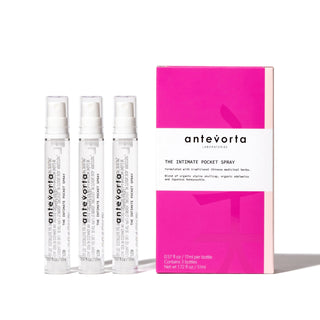
And while we’re on the topic of hydration and comfort, just as you’d use a portable feminine care for travel like a feminine pocket spray for instant hydration on a long journey, think of these tea switches as internal hydration stations that truly quench your system’s need for warmth.
The Takeaway: It’s About Energetic Alignment
Matcha isn't the villain — it's just not the hero your hormones were asking for. It’s a powerful, cooling plant that, when used without awareness, can throw a delicate system off balance.
So sip smart, keep it warm, and remember: not every trend fits every body. Sometimes "balanced energy" means putting the whisk down and picking up something that actually loves you back. It means supporting your internal environment so that your external radiance—and your comfort, from your digestion to your vaginal health—can truly shine.
References & Further Reading
1. Williams, J., et al. (2016). "L-Theanine and Caffeine in Combination Affect Human Cognition as Evidenced by Oscillatory alpha-Band Activity and Attention Task Performance." The Journal of Nutrition, 146(10), 2027S–2033S. https://doi.org/10.3945/jn.116.230011
2. Dietz, C., & Dekker, M. (2017). "Effect of Green Tea Phytochemicals on Mood and Cognition." Current Pharmaceutical Design, 23(19), 2876–2885. https://doi.org/10.2174/1381612823666170105151800
3. Weiss, D. J., & Anderton, C. R. (2003). "Determination of catechins in matcha green tea by micellar electrokinetic chromatography." Journal of Chromatography A, 1011(1-2), 173–180. https://doi.org/10.1016/s0021-9673(03)01133-6
4. Lu, Z., et al. (2016). "Relationship between Traditional Chinese Medicine Constitution and Chronic Diseases: A Systematic Review." Journal of Alternative and Complementary Medicine, 22(11), 872-885. https://doi.org/10.1089/acm.2016.0068
5. The American College of Obstetricians and Gynecologists (ACOG). "The Menopause Years." https://www.acog.org/womens-health/faqs/the-menopause-years (A great resource for understanding the physiological changes that can lead to symptoms like vaginal dryness).